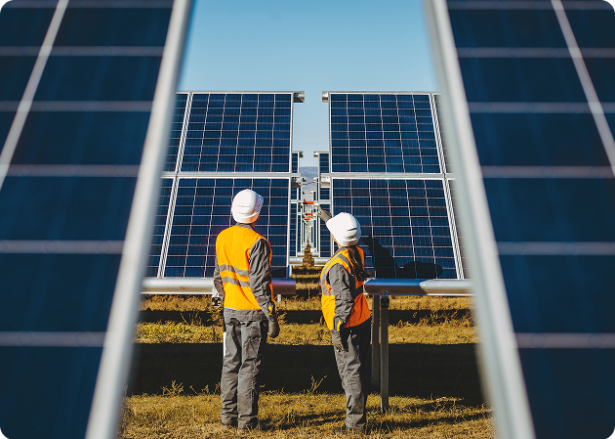
Pennsylvania’s clean energy workforce grew 10% from 2017-2020, 5x faster than state’s employment growth rate

The source of drinking water for 13 million people, the Delaware River is relied upon as a clean water resource. Fifty years ago, the water quality we enjoy today was nearly unimaginable. Polluters recklessly dumped raw sewage and chemicals straight into the river, making it nearly impossible to sustain even the most basic forms of aquatic life.
Progress remains fragile. Decades of progress are at risk due to ongoing land development and other activities that expand wastewater discharge.
We recognize further improvements are still possible. PennFuture is co-leading a Delaware River Basin Commission use-designation petition to upgrade a portion of the lower Delaware River, reflecting community use of the river that now includes primary contact recreation sports.
Our legal team and community organizers lead a variety of campaigns to defend the Delaware against illegal polluters and from efforts to undermine legal protections.
Prior to the coronavirus pandemic, the clean energy economy employed more than twice as many workers as the state’s entire fossil fuel industry.
More than 75,000 Pennsylvania jobs are tied to clean energy. The industry’s job growth is five times faster than the state’s overall employment growth rate.
Rapidly transitioning to renewable energy would meanwhile help us avoid the most serious consequences of climate change. Phasing out coal and gas-fired power plants would improve air quality, disproportionately benefiting people of color and low-income communities.
Modest goals and meager financial incentives are holding back our potential.
Pennsylvania requires 18 percent of electricity production come from “alternative energy sources.” Several non-renewable electricity sources, many from outside the state, unfortunately count toward this goal.
The state’s Alternative Energy Portfolio Standard credits electricity producers as diverse as wood-powered biomass, municipal solid waste and landfill gas facilities.
More than any other source, the state program rewards combustion of toxic coal mining waste.
Solar generators receiving credits are mostly located outside the state. Solar produced in Maryland, North Carolina and Virginia accounted for 65% of the 2019 total.